Imagine a craft where earth, water, and fire unite — where human hands shape the elements into timeless beauty. That is the essence of ceramics, one of the most enduring and expressive forms of art in human history. In Turkish culture, ceramics have transcended their utilitarian roots to become symbols of identity, spirituality, and aesthetic elegance.
Ceramics have been part of the Turkish cultural fabric for centuries. Early Turkic tribes in Central Asia used earthenware primarily for everyday purposes — cooking, storage, and transport. However, with the shift to a more settled lifestyle, especially after the migration to Anatolia in the 11th century, ceramic production evolved from function to form. What once served as a simple bowl or jug began to tell stories, bear symbols, and reflect beliefs.
The Seljuks (11th–13th centuries) brought with them an artistic vision that blended Persian, Arab, and Turkic influences. In Anatolia, ceramics became an essential component of architectural decoration. In cities like Konya, Sivas, and Kayseri, religious and public buildings were adorned with tile mosaics featuring intricate patterns and deep blue, turquoise, and white tones.
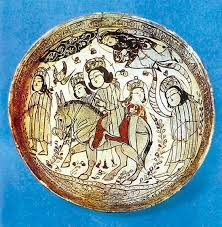
Motifs ranged from geometric interlacing to kufic inscriptions and stylized plant or animal figures. These designs didn’t just serve an aesthetic purpose—they also symbolized divine harmony and cosmological beliefs. The enduring beauty of Seljuk tiles can still be admired in structures such as the Ince Minaret Madrasa and Gök Medrese.
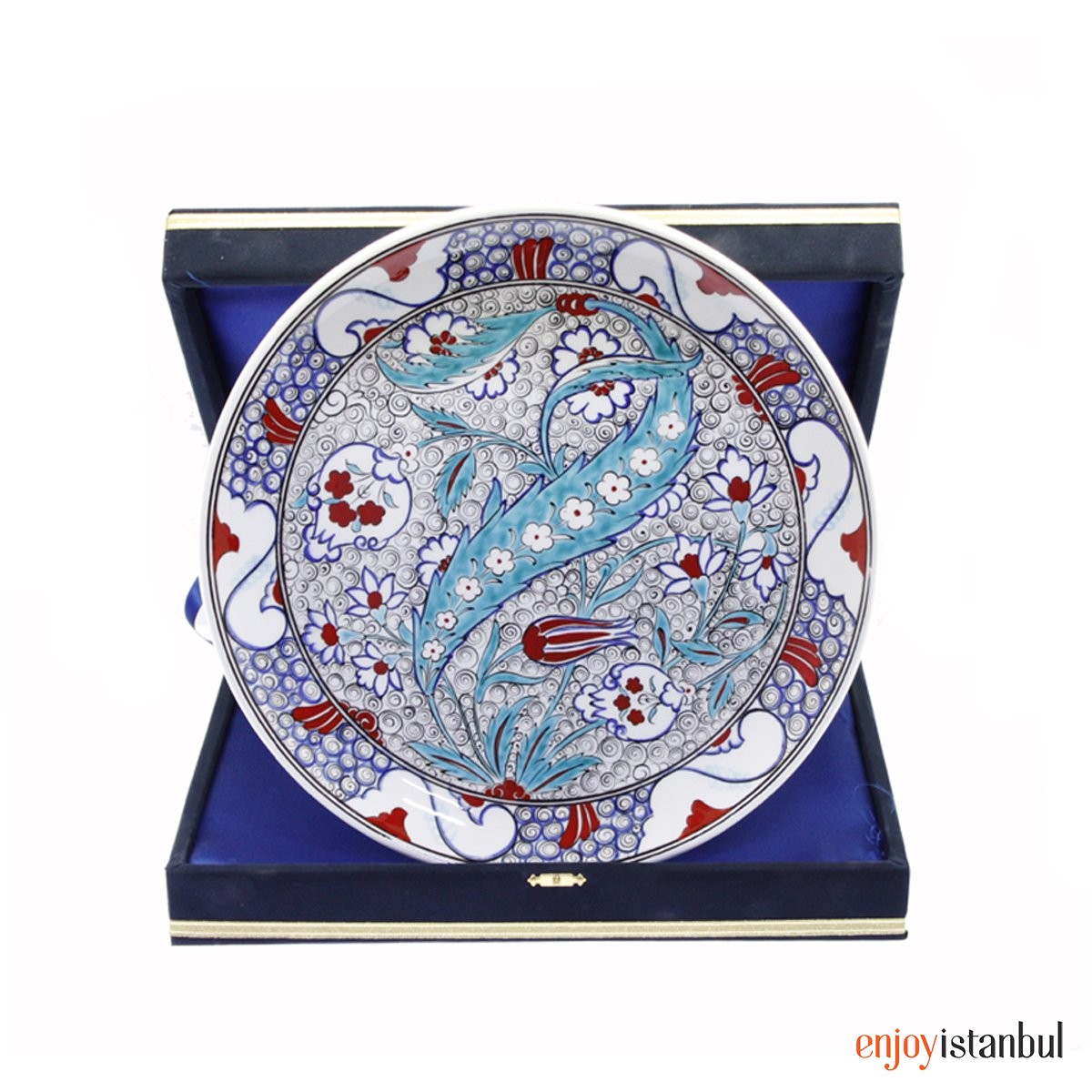
Ceramic art in the Ottoman Empire (14th–20th centuries) reached a dazzling peak between the 15th and 17th centuries, especially in the town of Iznik. Iznik ceramics are famous for their brilliant white backgrounds and vibrant color palette — featuring cobalt blue, coral red, emerald green, and black outlines.
Designs often include tulips, carnations, hyacinths, pomegranates, and cloud motifs — motifs that became synonymous with Ottoman decorative arts. These ceramics weren’t just used for tableware but also featured prominently in mosque interiors, tombs, fountains, and palace architecture. Masterpieces like the Blue Mosque in Istanbul reflect this rich tradition.
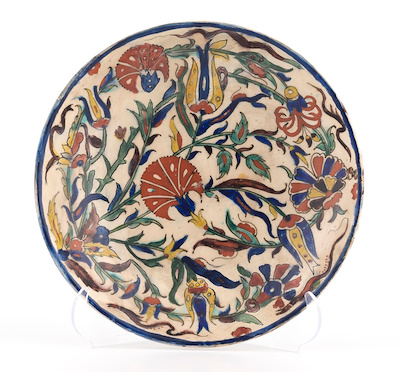
By the 18th century, Kütahya emerged as a new ceramic hub. While Iznik ceramics were often reserved for elite and imperial use, Kütahya tiles were more accessible, colorful, and folk-inspired. Today, Kütahya continues to be one of Turkey’s most vibrant ceramic centers, home to workshops that blend centuries-old techniques with contemporary aesthetics.
In the modern era, Turkish ceramics remain a living, evolving art form. Beyond traditional patterns, today’s ceramicists explore new forms, materials, and meanings. Cities like Çanakkale, Eskişehir, and Nevşehir have their own unique ceramic heritages, while contemporary artists reinterpret traditional motifs in sculptures, installations, and abstract works.
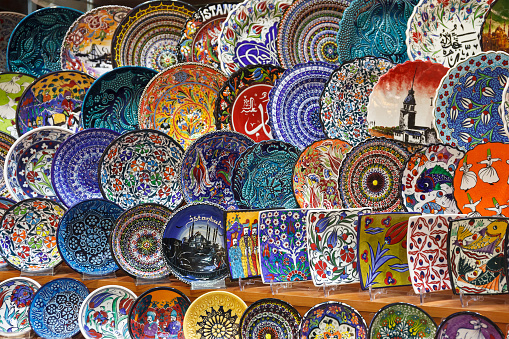
Art schools across Turkey offer specialized training in ceramic arts, and international events like ceramic biennials and symposiums help Turkish ceramic art gain global recognition.
Whether displayed in museums, crafted in artisan studios, or sold in local bazaars, Turkish ceramics continue to reflect the spirit of a culture that honors its past while embracing the future.
If you’d like to see this ceramic heritage up close, here are five museums in Turkey that offer outstanding collections:
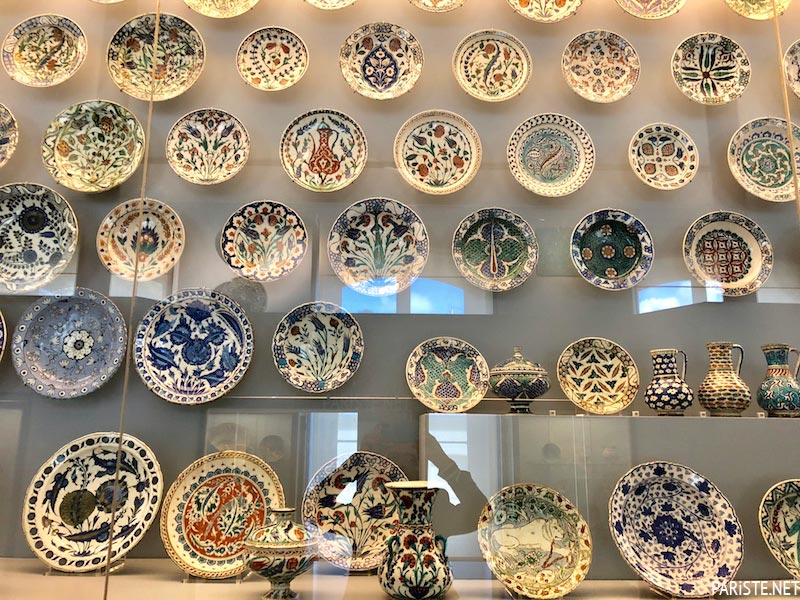
Iznik Museum (Bursa)
Located in the heart of the ancient city of Iznik, this museum offers a historical overview of ceramic production dating back to the Roman, Seljuk, and Ottoman periods.
Kütahya Tile Museum (Kütahya)
Housed in a beautifully restored historical building, the museum displays centuries-old hand-painted tiles and ceramics, showcasing Kütahya’s rich artistic legacy.
Sadberk Hanım Museum (Istanbul)
A private museum featuring Ottoman-era ceramics, tiles, and other traditional crafts. It offers an intimate look at the refinement of Turkish decorative arts.
Museum of Turkish and Islamic Arts (Istanbul)
Situated near the Blue Mosque, this museum contains an exquisite collection of Seljuk and Ottoman ceramics, including rare tile panels and glazed objects.
Çanakkale Ceramic Museum (Çanakkale)
Highlighting the unique ceramic tradition of the region, this museum focuses on 19th-century Çanakkale pottery, known for its playful forms and bright glazes.
Ceramics in Turkish culture are more than decorative objects — they are vessels of history, identity, and artistic spirit. From the hands of ancient artisans to the workshops of today’s designers, the journey of clay continues. Every tile, every bowl, every motif tells a story — of beauty, belief, and belonging.
In a fast-paced digital world, Turkish ceramics remind us of the value of patience, craftsmanship, and the enduring connection between earth and art

 Powered by Hipotenüs® New Generation E-Commerce Systems.


