Aladdin’s Lamp: What’s So Magical About a Genie Lamp Anyway?
We’ve all seen it before—the shiny little lamp that, when rubbed, releases a swirling cloud of smoke and out pops a genie ready to grant three wishes. But have you ever stopped to wonder: What is a genie lamp, really? Why do we call it a lamp? And does Aladdin’s lamp have an actual name?
Let’s take a closer (and more curious) look at the iconic object that sparked one of the most beloved magical stories of all time.
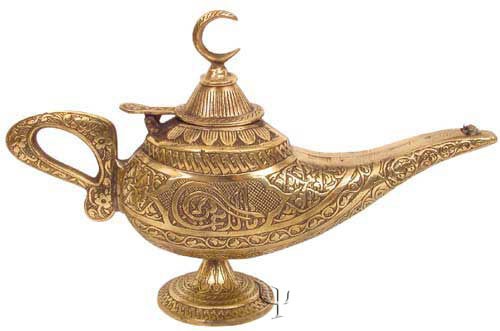
At first glance, a genie lamp looks like a small, antique oil lamp—usually made of metal, with a long spout, a curved handle, and a lid. You’ve probably seen them in old cartoons, fantasy movies, or on a shelf in a themed gift shop. But in stories, it’s way more than a lamp—it’s a magical vessel that contains a genie (or djinn) who can grant you wishes. Talk about an ancient version of a cheat code!
But here's the twist: these genie lamps weren’t just made up for fairy tales. They’re actually based on real oil lamps that people used thousands of years ago across the Middle East and North Africa. They burned olive oil for light and were super common in everyday life—nothing magical about them... at first.
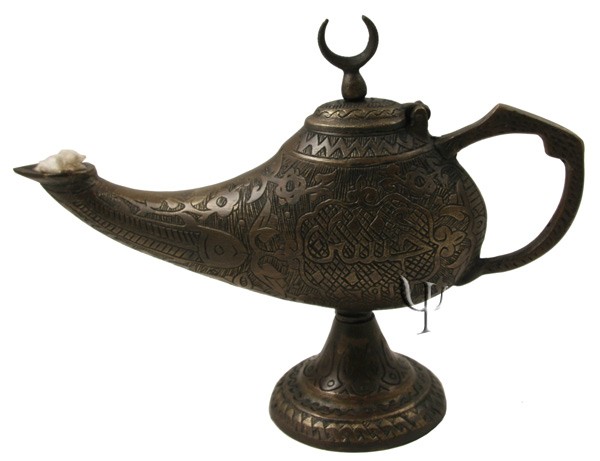
Good question. After all, most of us don’t think of "lamps" as wish-granting artifacts. But back in ancient times, the word “lamp” simply meant something you used to light your home—usually with oil and a wick. So, when the magical object in Aladdin’s story was described, it was naturally called a lamp because that’s exactly what it looked like to readers of the time.
So if you’ve ever wondered, why is a genie lamp called a lamp?, the answer is pretty simple: it looked like the oil lamps people were using back then. It’s kind of like how we might say “magic remote” today if a futuristic gadget looked like something we already know.
You might think something so powerful would have a cool name—like “The Eternal Flame” or “Lamp of Wishes”—but nope. In the original story, it’s just called “the magic lamp” or “the wonderful lamp.” Not exactly imaginative, but hey, when something contains a genie, maybe it doesn’t need fancy branding.
The story of Aladdin and his lamp wasn’t even part of the earliest versions of One Thousand and One Nights (also known as Arabian Nights). It was added later in the 1700s by a French writer named Antoine Galland, who heard it from a Syrian storyteller. That’s when the tale—and the lamp—really started to take off worldwide.

There’s something magical about the idea that an ordinary-looking object could hold incredible power. One moment it’s a dusty old lamp, and the next it’s got a full-blown wish-granting genie inside. That surprise, that possibility, is what makes Aladdin’s lamp so appealing—even today.
Thanks to movies, books, and pop culture, the genie lamp has become a symbol of mystery, magic, and maybe even a little hope. Who hasn’t secretly wished they could find one on a shelf, give it a rub, and have all their problems solved?
So the next time someone mentions Aladdin’s lamp, you’ll know it’s more than just a fun prop. It’s a mix of real history, ancient storytelling, and timeless imagination. Whether you’re in it for the magic, the mystery, or just the idea of making a few wishes come true, the genie lamp is here to stay.
And no, sadly, rubbing your bedside lamp probably won’t summon a genie—but hey, it’s still worth a try.
1. Is Aladdin’s story real?
No, it’s a symbolic and fictional tale. There’s no historical evidence of Aladdin’s existence.
2. Are there real lamps that grant wishes?
Unfortunately, no. But with determination and effort, we can work toward achieving our dreams.
3. What’s the lesson behind Aladdin’s story?
Believe in your inner strength, know your limits, and stay kind and brave—because true power lies within.
 Powered by Hipotenüs® New Generation E-Commerce Systems.